The day President Andrew Jackson was almost assassinated
It’s been close to two centuries since the first assassination attempt was aimed at the president of the United States. Andrew Jackson, the seventh U.S. president and a hero of...
Andrew Jackson, the seventh President of the United States (1829-1837), remains a controversial and influential figure in American history.
Here are some frequently asked questions about Andrew Jackson:
He is known for his populist policies and establishment of the spoils system (patronage) in politics. Additionally, he signed the Indian Removal Act of 1830, which led to the forced relocation of Native American tribes, known as the Trail of Tears.
His presidency marked a shift towards greater political participation by the common man, as opposed to a rule by elites. This era saw expanded suffrage for white male citizens and increased political mobilization.
Jackson strongly opposed the Second Bank of the United States, viewing it as an institution that favored the wealthy and had undue influence over the economy. His efforts to dismantle it led to the Bank War and realigned political parties.
In the 1830s, South Carolina declared certain federal tariffs null and void within its borders. Jackson, emphasizing federal supremacy, threatened military force against South Carolina if they proceeded with their threat to secede. The crisis was defused by a compromise bill.
As a result of the Indian Removal Act, several Native American tribes were forcibly relocated from their ancestral lands in the southeastern U.S. to lands west of the Mississippi River. Thousands died during this journey, hence the name “Trail of Tears.”
Jackson is renowned for his military leadership, most notably for his victory at the Battle of New Orleans during the War of 1812 against the British, elevating his national stature.
Jackson’s rough-and-tumble frontier background and his personal experiences (like being captured by the British during the Revolutionary War as a boy) influenced his rugged individualism and skepticism of centralized power.
Yes. His assertive use of presidential power, his treatment of Native Americans, and his aggressive stance on the National Bank were among the contentious issues of his presidency.
Jackson’s legacy is mixed. While he’s credited with expanding democratic participation and being a strong executive leader, his treatment of Native Americans and endorsement of slavery make him a divisive figure in historical evaluations.
Andrew Jackson’s impact on U.S. politics and policies continues to be a topic of study and debate. While some of his decisions remain controversial, his influence on the American presidency and political system is undeniable.

It’s been close to two centuries since the first assassination attempt was aimed at the president of the United States. Andrew Jackson, the seventh U.S. president and a hero of...
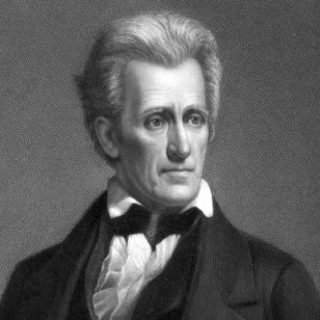
Known as the “people’s president”, Andrew Jackson’s (1767-1845) rugged and somewhat brash nature, revolutionized America’s political environment. During his presidential tenure from 1829 to 1837, Americans witnessed some of the...
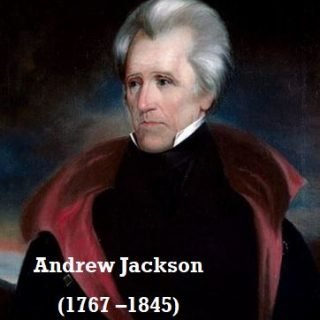
Andrew Jackson was part of the new crop of politicians that showed up after the major Founding Fathers of the United States had left the political scene. As the Seventh...





